
Guidance for Successful Events + Timeline Organization
Introduction
Planning an event can be a daunting task, but with proper guidance and a well-organized timeline, you can ensure a successful and memorable experience for all attendees. In this article, we will provide you with valuable tips and insights on how to plan and execute events effectively.
1. Define Your Objectives
Before you start planning your event, clearly define the objectives you want to achieve. Whether it's a corporate conference, a wedding, or a charity fundraiser, knowing your goals will help you make informed decisions throughout the planning process.
2. Create a Budget
Establish a budget early on to guide your spending and avoid overspending. Allocate funds to different aspects of the event such as venue, catering, entertainment, and marketing. Be sure to account for unexpected expenses to prevent any last-minute budget constraints.
3. Choose the Right Venue
The venue sets the tone for your event, so choose one that aligns with your event theme and accommodates your expected number of guests. Consider factors like location, capacity, amenities, and ambiance when selecting a venue.
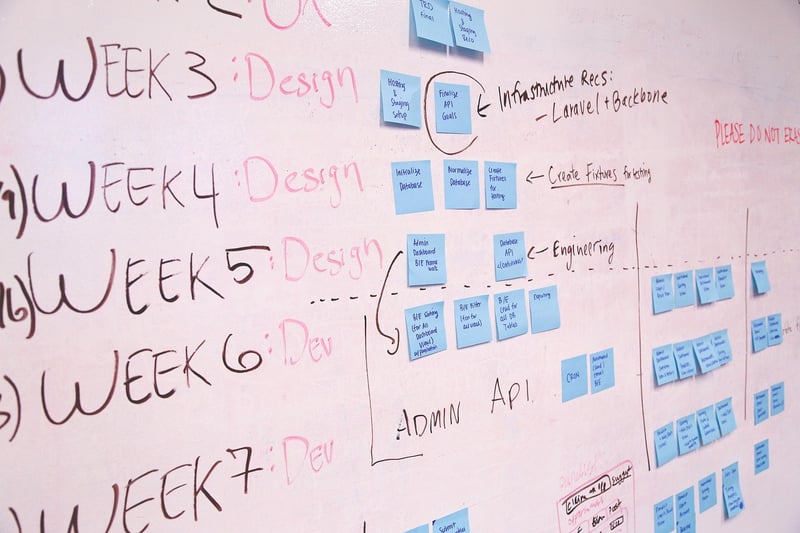
4. Create a Detailed Timeline
Develop a comprehensive timeline that outlines all the tasks leading up to the event, including deadlines for booking vendors, sending invitations, and finalizing logistics. A well-structured timeline will help you stay organized and on track throughout the planning process.
5. Marketing and Promotion
Effective marketing is crucial to ensure a good turnout at your event. Utilize social media, email campaigns, and traditional advertising to promote your event and generate buzz. Collaborate with influencers or partners to reach a wider audience.
6. On-Site Coordination
On the day of the event, have a dedicated team or coordinator to oversee all logistical aspects, including setup, registration, and guest management. Ensure clear communication among team members to address any last-minute issues promptly.
7. Gather Feedback
After the event, collect feedback from attendees, sponsors, and vendors to evaluate the success of your event. Analyze what worked well and areas for improvement to make your future events even better.
Conclusion
By following these guidelines and maintaining a well-organized timeline, you can plan and execute successful events that leave a lasting impression on your guests. Remember, attention to detail and effective coordination are key to hosting unforgettable events.
Image Source: Pixabay